The silk on the Hickory King corn is really pretty
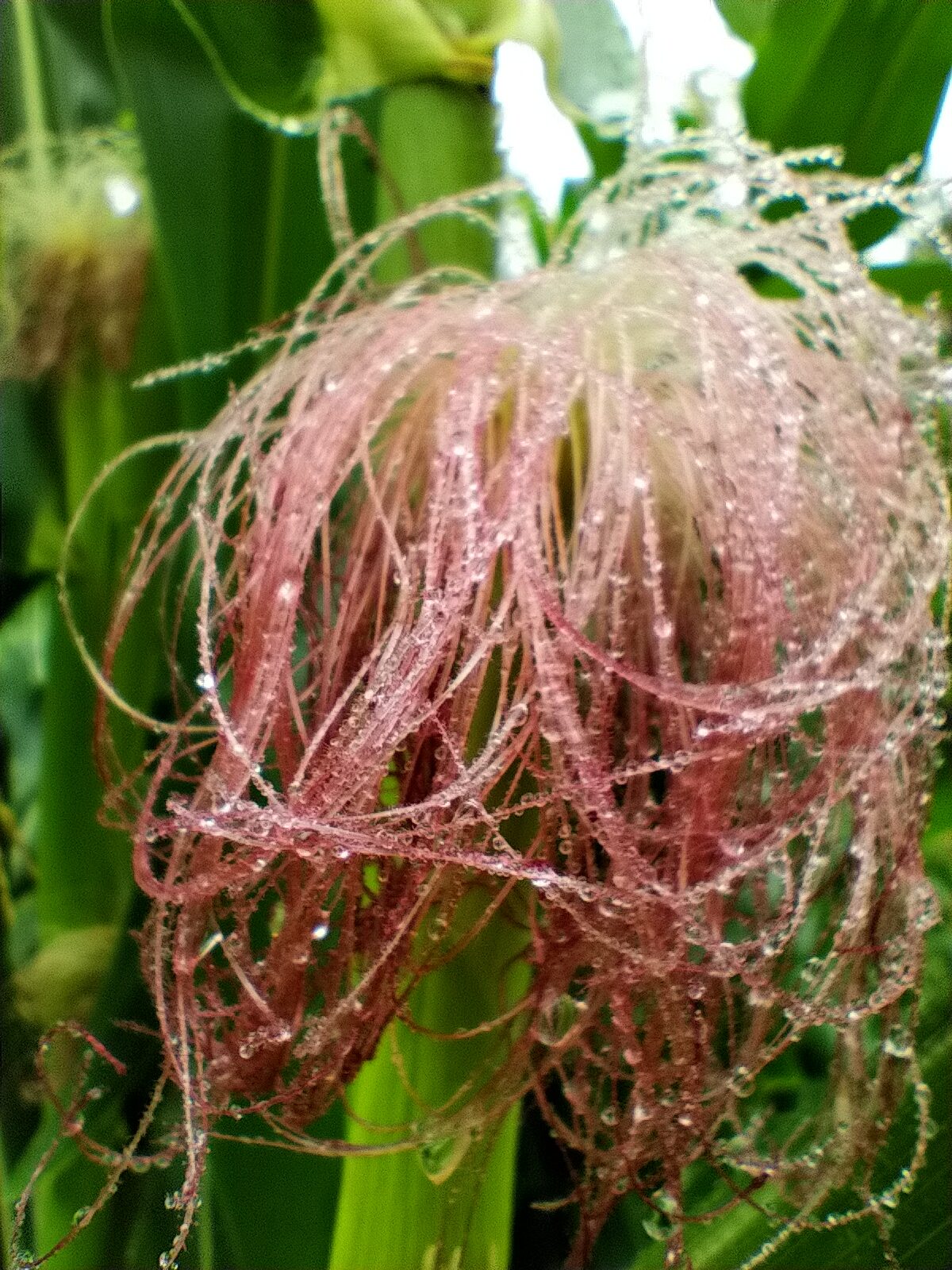
The silk on the Hickory King corn is really pretty
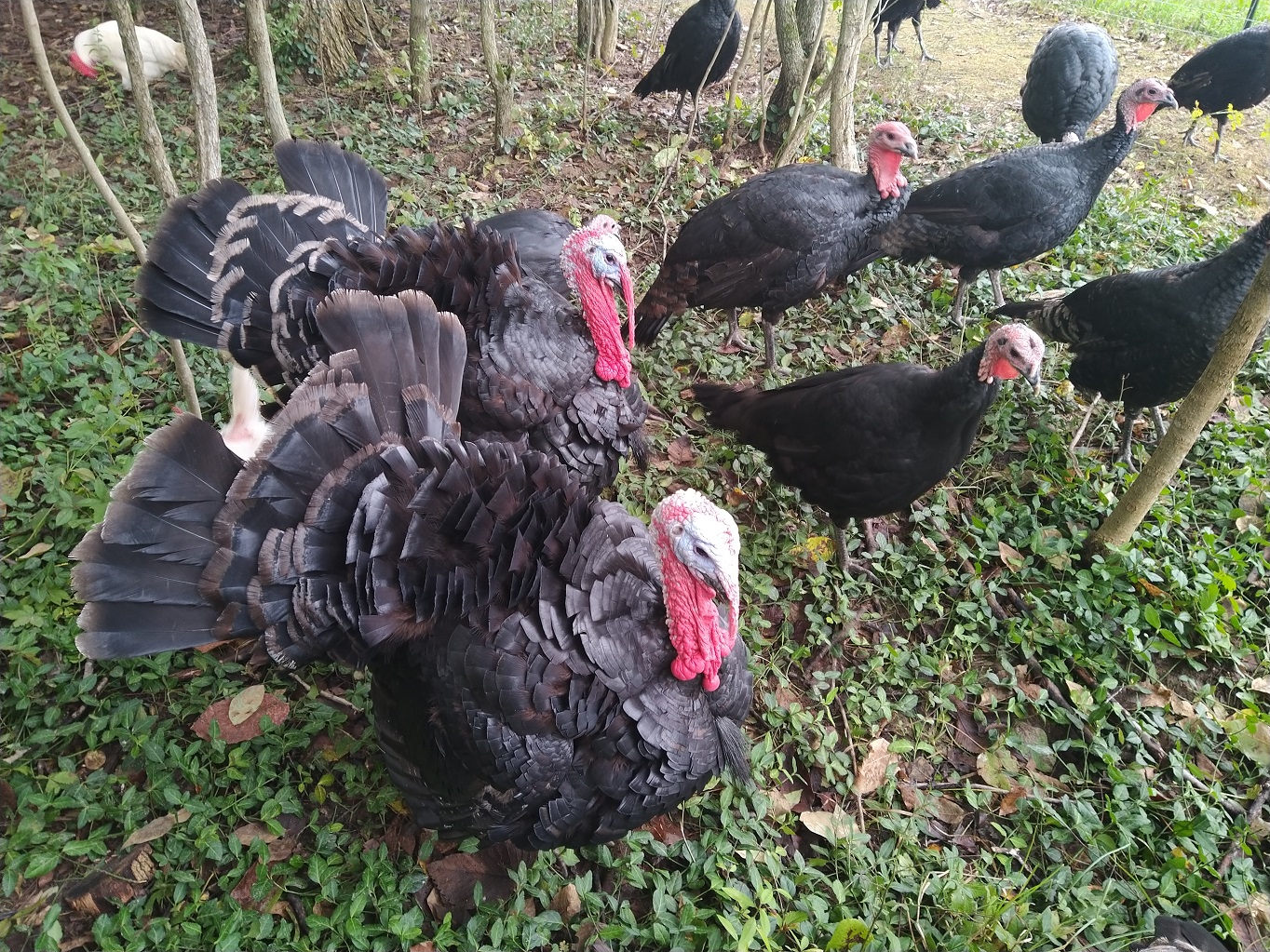
In addition to growing open pollinated, heirloom vegetables — we’ve got a flock of heritage turkeys. These guys are Black Spanish turkeys. Unlike the broad-breasted turkeys raised commercially today, they walk around and do turkey things all day. They are all waiting by the gate as we walk over to the poultry pasture, and there are always a few turkeys following us around if we’re working in their area.
The two males we have from last year were amazing with the little poults this Spring. They’d take a share of poults and snuggle them at night to keep them warm. They’d march around them as the little ones pecked around during the day. Even now that the younger turkeys are almost fully grown, the older turkeys stand guard and make sure everyone gets access to food and water. Watching the adult turkeys with the younger ones has been right educational, and I am eager to hatch some of our own poults next year!
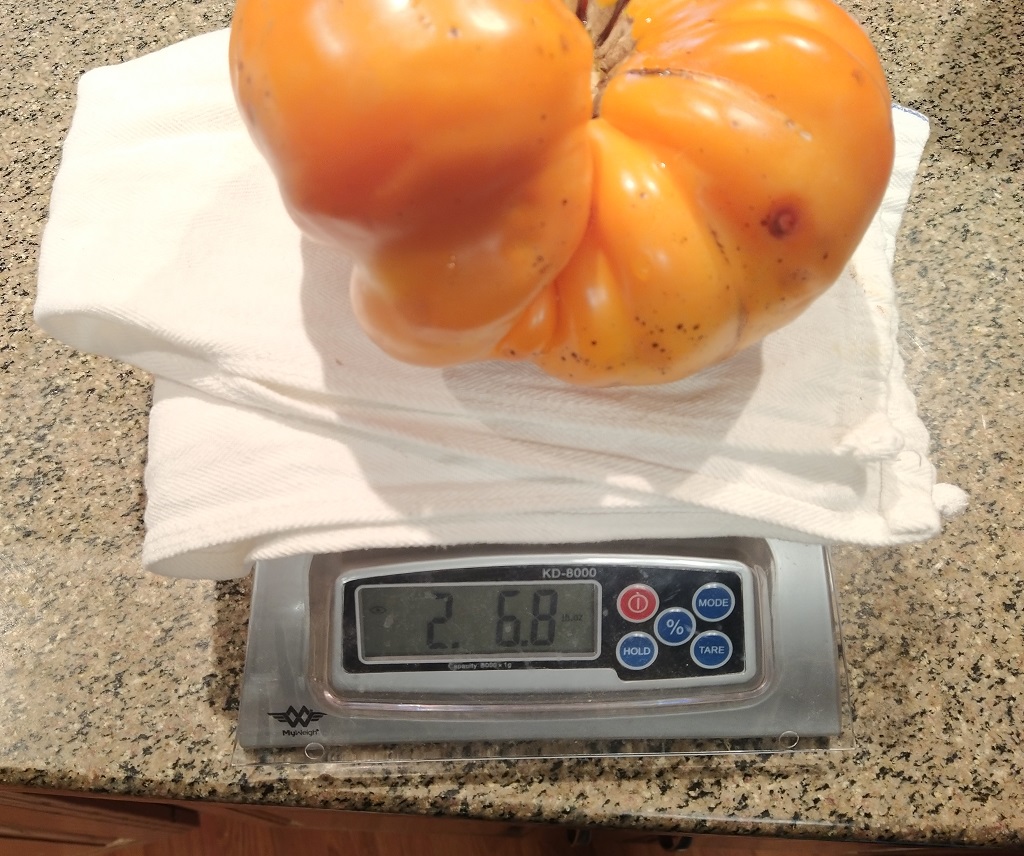
While these Mortgage Lifter tomatoes grow really large … they have a lot of bits that need to be trimmed. Seems like a tomato bred by turkeys and chickens (who get to enjoy all of the trimmed off bits).
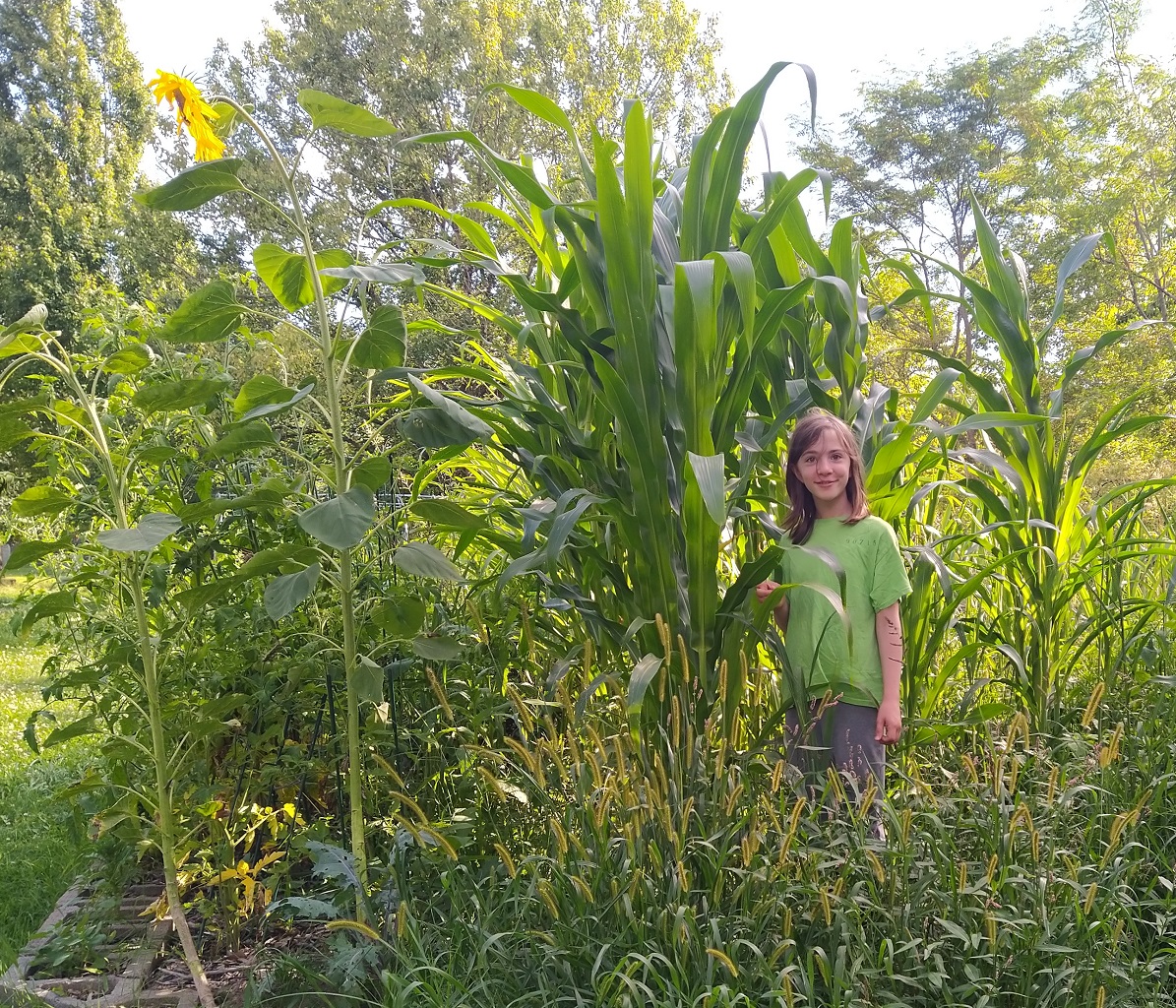
The corn is getting really tall — no cobs yet, but the stalks are about as tall as they’re meant to get.
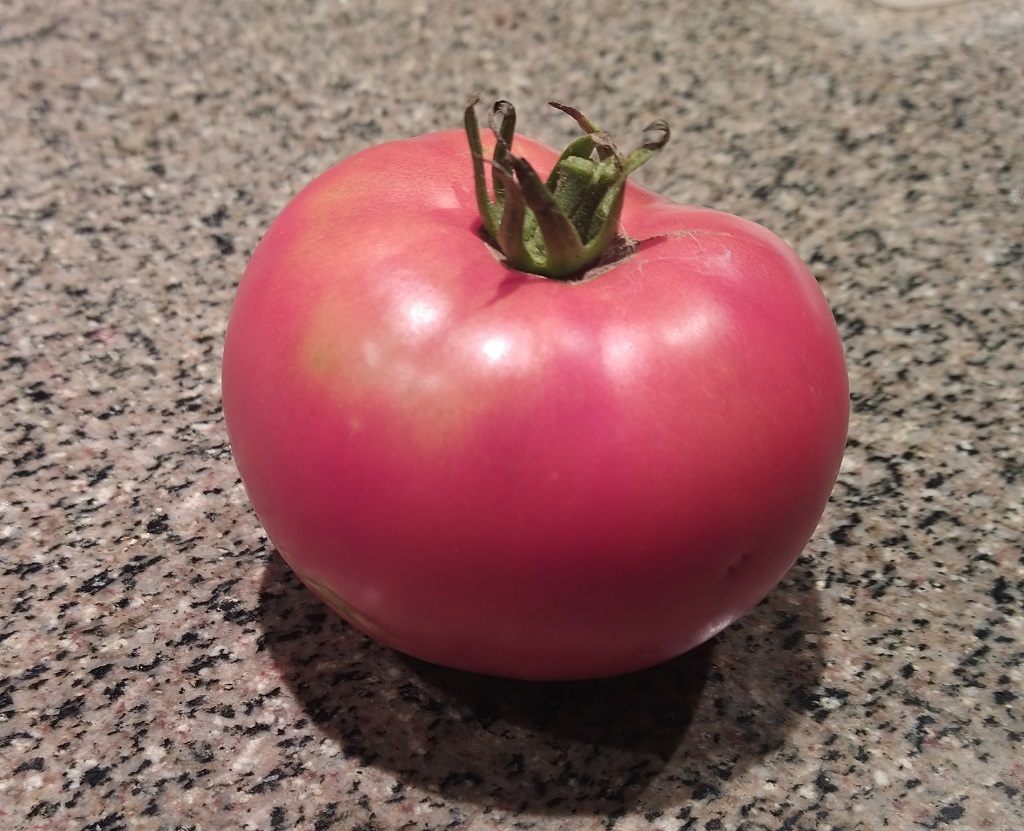
It finally cooled down enough for the tomatoes to start ripening …
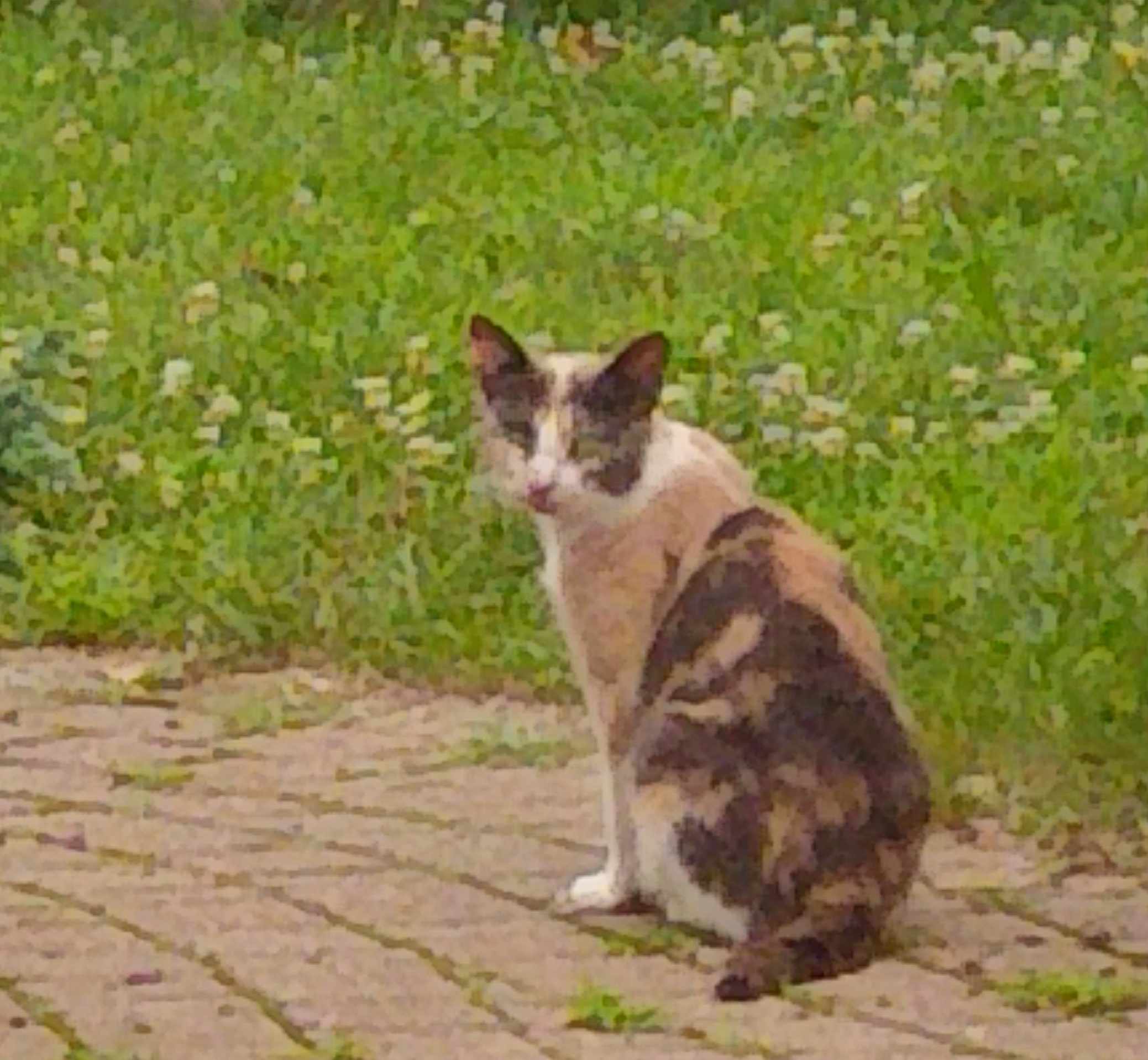
There’s a calico cat that’s been hanging around our property, so we started putting food out for her. Turns out there are two calico kitties. Hopefully at least one gets friendly enough to hang around and be a barn cat!
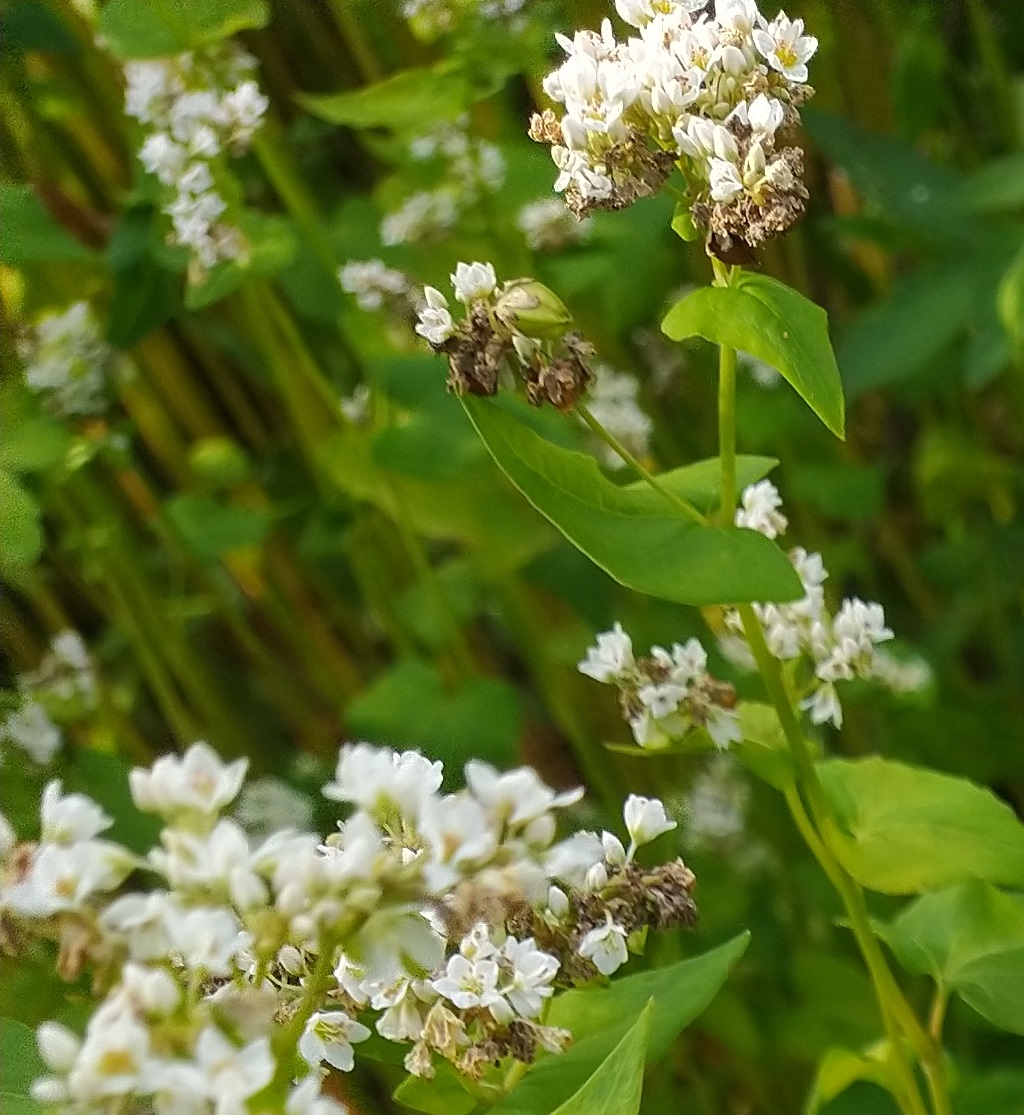
Our buckwheat is starting to form seeds!
We checked on the bees around noon today. We’ve seen a lot of activity at the hive, and they seem to love the field of clover in our yard — so we were curious to see how much the colony had built up. It wasn’t as full as we were hoping (we would have loved to add a super!). There were more bees in the upper deep than last time, but the hive box wasn’t super full. Maybe five frames with brood, several frames with honey, and a few frames that they’d started drawing out. We moved the frames around — the brood frames were all clustered together, so we moved (2?) frames up to the top deep and interspersed empty and half-empty frames with the full ones. Hopefully having empty frames in the middle will encourage them to build out the frames.
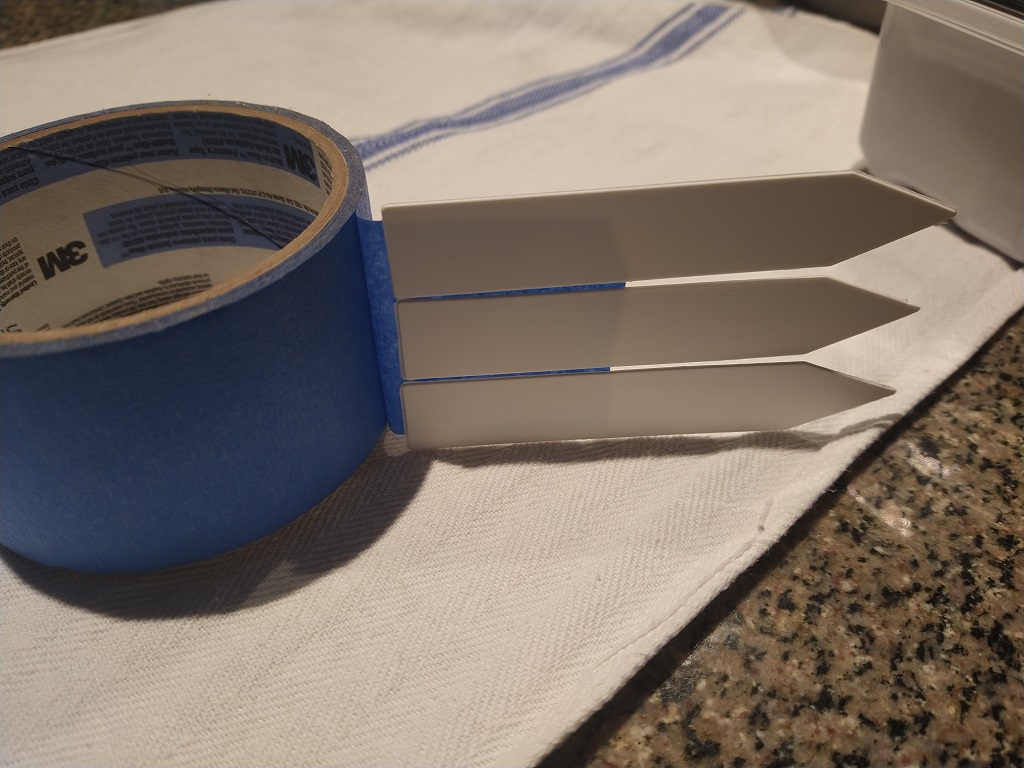
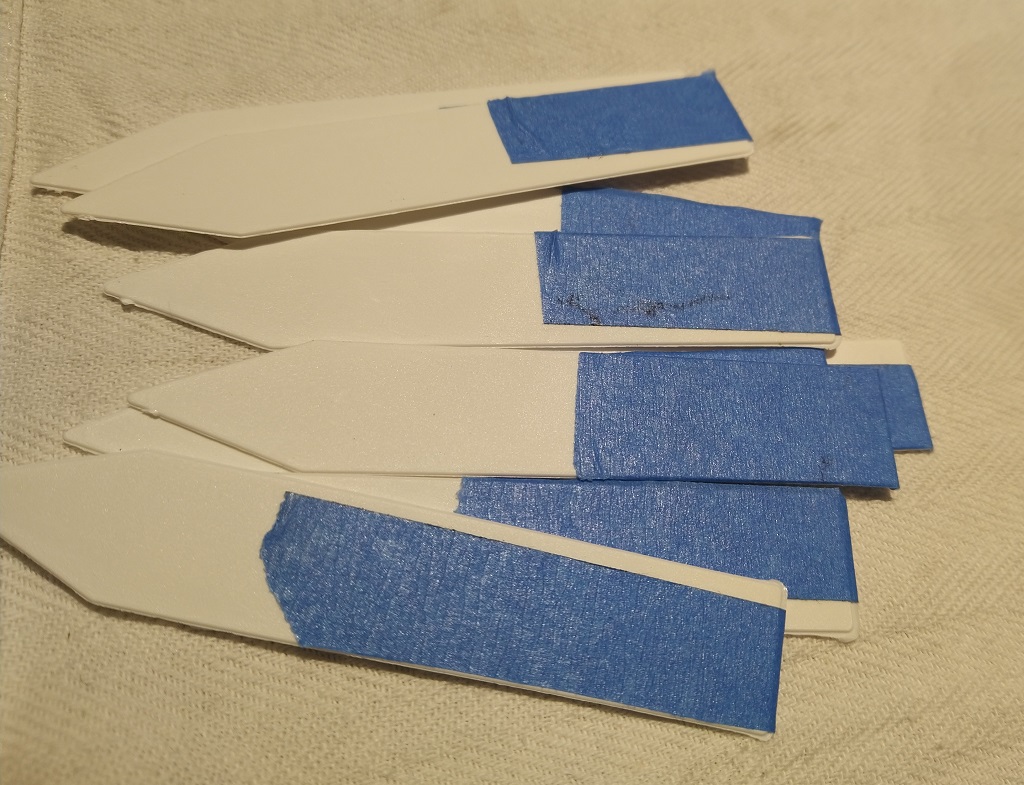
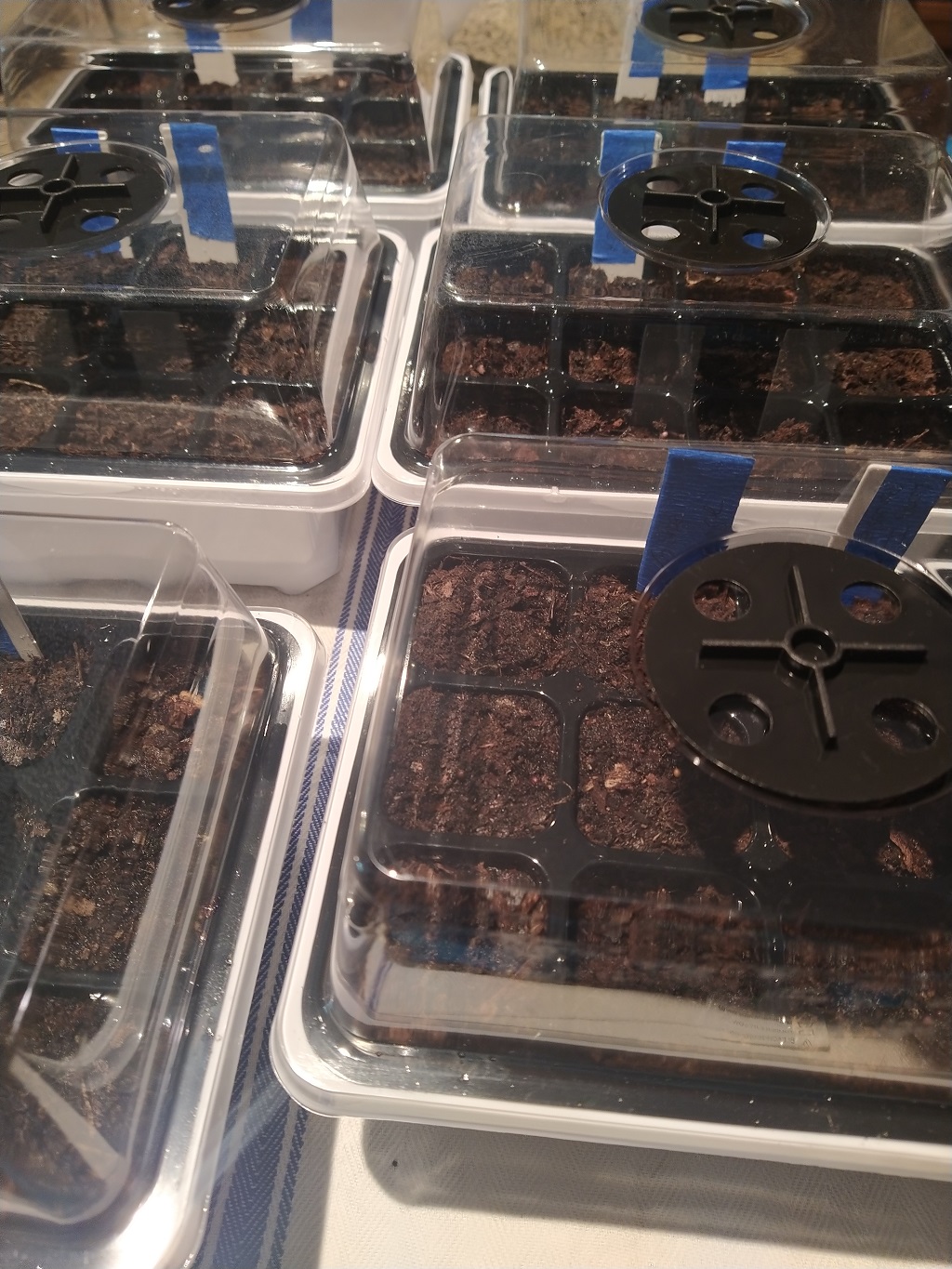
I got the seeds started for our fall harvested vegetables. We bought these little seed starting trays on Amazon — a tray, a 12-cell insert, and a humidity dome with an adjustable vent. The kit came with plant markers … but it seemed silly to write something permanent on the marker. So I turned them into reusable markers by adding some of the blue tape you use for painting a room (because that’s what we’ve got & pen works OK on it). First I put three of the markers in a line on the tape.
A couple of quick slices with an Exacto knife, and I can change the label as needed.
I started the normal fall veggies — broccoli, broccolini, chard, and lots of cabbages. But I also started a sweet tomato that’s meant to produce in 60 days and a watermelon that’s supposed to produce in just 75 days. That’ll be the end of September so maybe we’ll get some watermelon this year!
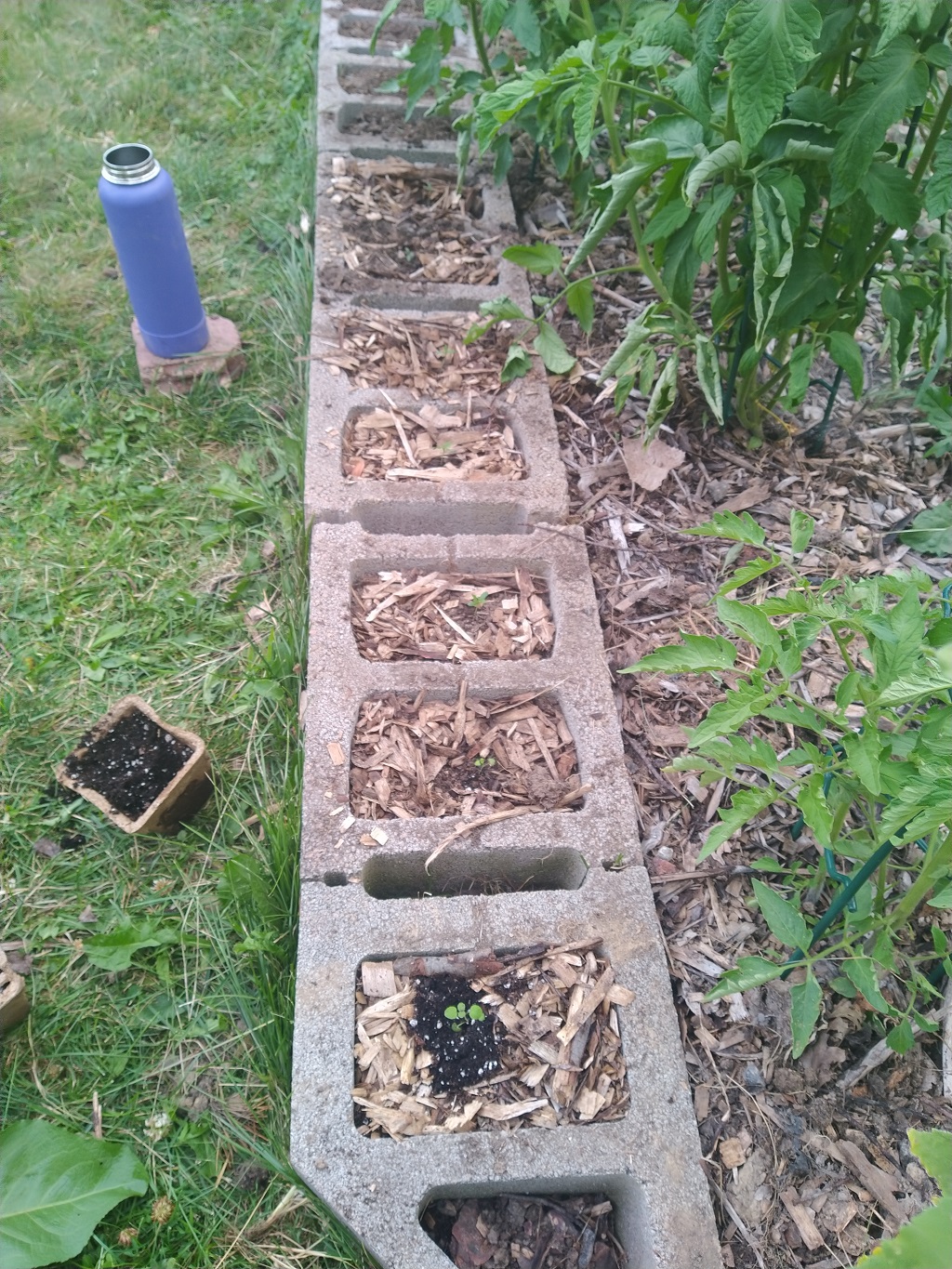
When we decided to use some old cinder blocks to build raised beds, the idea was to fill all of the blocks with dirt and use the spaces as bonus planting spaces for small plants like flowers and herbs. Functional and aesthetically pleasing. I never got far in that project — filled some blocks with dirt and lots of weeds. But no ring of herbs around the bed.
This year, I’m doing it! It’s a time consuming process to clear out the existing plant growth. I’m adding about two inches of rocks (we’ve got a lot of rock-covered beds that we want to de-rock), and filling up with soil. Anya started a bunch of herb plants, so she has been transplanting her seedlings into the blocks and adding some wood mulch (I expect these small blocks will warm up and dry out rather quickly otherwise).