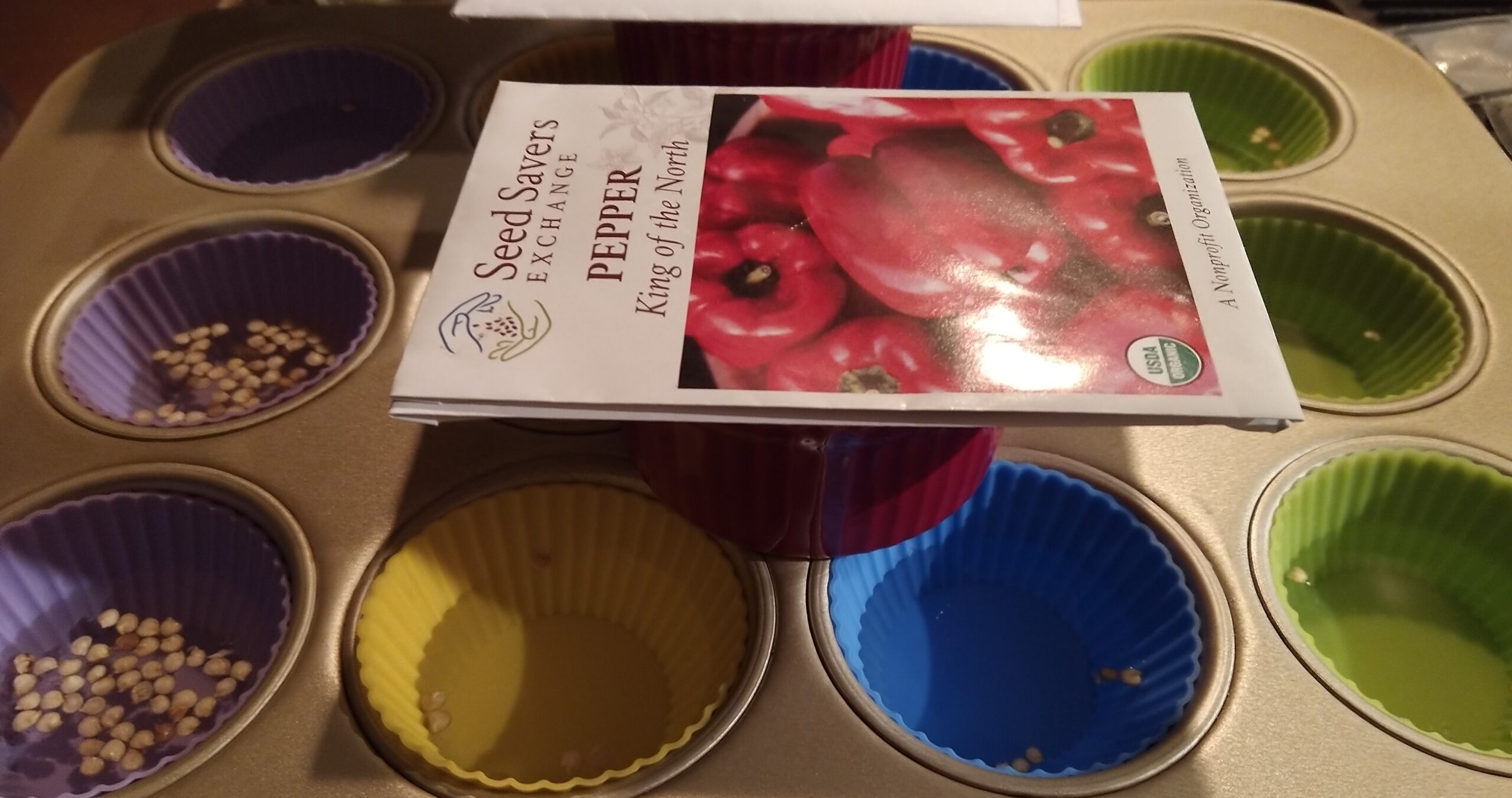
We are making a list of unique, nutritious to grow — I’ve gotten seeds for most of the ones that will grow in our area.
| Plant | Latin name | Notes | Annual or Perennial | Zone | Benefit |
| Alfalfa | Medicago sativa | True Leaf Market | Perennial herb | Zone 3-9 | Nutritious sprouts; soil improvement via N-fixation |
| Amaranth | Amaranthus spp. | Already have seeds | Annual herb | Zone 2-11 | Protein-rich grain; mineral-dense greens |
| American Chestnut | Castanea dentata | Already have trees | Perennial tree | Zone 4-8 | Starchy, gluten-free nuts; wildlife support |
| Ashitaba | Angelica keiskei | Strictly Medicinal – sold out | Perrenial | Zone 7+ | |
| Asparagus | Asparagus officinalis | Planted at ridgeline | Perennial vegetable | Zone 3-8 | High in folate, vitamin K, and fiber |
| Blue hubbard squash | Cucurbita maxima ‘Blue Hubbard’ | True Leaf Market | Annual vine | Zone 3-10 | Beta-carotene-rich flesh; long storage |
| Breadfruit | Artocarpus altilis | Perennial tree | Zone 10-12 | Starchy fruit staple; carbs, fiber, potassium; eaten roasted/boiled/baked | |
| Buckwheat | Fagopyrum esculentum | Already have seeds | Annual herb | Zone 3-10 | Gluten-free grain; high in rutin (flavonoid) |
| Cattail | Typha spp. | Perennial aquatic | Zone 3-10 | Multiple edible parts: spring shoots (“cossacks”), pollen (protein), rhizomes (starch) | |
| Chickweed | Stellaria media | Dave’s garden seeds | Annual (often self-seeding) | Zone 2-9 | Edible greens; vitamin C and minerals; mild flavor for salads |
| Chicory | Cichorium intybus | Perennial herb | Zone 3-9 | Inulin-rich roots; bitter greens for salads | |
| Chokeberry / Aronia | Aronia melanocarpa | Perennial shrub | Zone 3-8 | Very high antioxidants (anthocyanins), vitamin C; tart berries for juice/jam | |
| Chufa / Tiger Nut | Cyperus esculentus var. sativus | Perennial sedge (often grown as annual) | Zone 8-11 | Nut-like tubers with healthy fats, resistant starch, fiber; used for horchata | |
| Comfrey | Symphytum officinale | Ridgeline | Perennial herb | Zone 3-9 | Not nitrogen-fixing; excellent chop-and-drop mulch/biomass, accumulates K/Ca; use leaves sparingly if eaten due to PA alkaloids |
| Dandelion | Taraxacum officinale | All over the place | Perennial herb | Zone 3-10 | Leaves/roots rich in iron, vitamin A, K, C; edible greens, flowers, root coffee |
| Duckweed | Lemna spp. | Aquatic | Aquatic perennial | Zone 4-11 | High-protein feed; water remediation potential |
| Egyptian Walking Onion | Allium × proliferum | Perennial | Zone 3-9 | Reliable perennial onion greens and bulbs | |
| Fava Bean | Vicia faba | Dave’s garden seeds | Annual legume | Zone 3-10 | Protein, fiber, folate, iron; contains L-DOPA (used in Parkinson’s research) |
| Flax seeds | Linum usitatissimum | True Leaf Market | Annual herb | Zone 3-10 | High in ALA omega-3, fiber, and lignans |
| Good King Henry | Blitum bonus-henricus | Dave’s garden seeds | Perennial | Zone 3-8 | Edible spinach-like leaves and shoots; calcium, vitamin C, some B vitamins |
| Groundnut | Apios americana | https://peacefulheritage.com/products/lsu-groundnut-plants-apios-americana-naturally-grown | Perennial vine (legume) | Zone 4-9 | Protein-rich edible tubers; nitrogen-fixing; also edible beans/flowers |
| Ironwort | Sideritis spp. (e.g., Sideritis scardica) | Perennial subshrub | Zone 7-10 | Traditional tea with antioxidant/soothing properties | |
| Jerusalem Artichoke / Sunchoke | Helianthus tuberosus | Perennial tuber | Zone 3-9 | Inulin-rich tubers (prebiotic), potassium; prolific, can spread | |
| Lamb’s Quarters | Chenopodium album | Dave’s garden seeds | Annual | Zone 2-11 | Tender greens high in protein (for a leaf), calcium, iron, vitamins A/C |
| Lovage | Levisticum officinale | Already have seeds | Perennial | Zone 4-9 | Strong celery-like flavor for stocks/salads; minerals; productive cut-and-come-again herb |
| Lupini Bean | Lupinus albus | True Leaf Market | Annual legume | Zone 4-10 | High-protein beans; nitrogen fixation |
| Medlar | Mespilus germanica (syn. Crataegus germanica) | Perennial tree | Zone 5-9 | Unique fruit; vitamin C; winter delicacy | |
| Mesquite | Prosopis spp. (e.g., P. glandulosa) | Perennial tree | Zone 8-11 | Low-glycemic flour from pods; nitrogen fixer | |
| Moringa | Moringa oleifera | Perennial tree | Zone 9-11 | Leaves rich in vitamins A, C, calcium, and protein | |
| Nine Star Broccoli | Brassica oleracea | https://plantingjustice.org/products/rare-perennial-9-star-broccoli – sold out | Perennial | Zone 6-9 | Multiple harvests of white heads and side shoots |
| Oca | Oxalis tuberosa | Perennial (often grown as annual) | Zone 8-10 | Carbohydrate-rich tubers; vitamin C, potassium; cool-climate Andean staple | |
| Oyster Mushroom | Pleurotus ostreatus | Fungus (cultivated) | Zone 3-10 | Protein; ergothioneine and other antioxidants | |
| Palmer Amaranth | Amaranthus palmeri | Annual herb | Zone 7-11 | Nutrient-dense greens; drought tolerance | |
| Prairie Turnip / Indian Breadroot | Pediomelum esculentum | https://www.nortonnaturals.com/products/prairie-turnip-pediomelum-esculentum | Perennial legume | Zone 4-7 | Edible tuber with notable protein for a root; nitrogen-fixing |
| Prickly Pear / Nopal | Opuntia ficus-indica | Perennial cactus | Zone 8-11 | Pads and fruits edible; fiber, vitamin C, magnesium; glycemic-friendly | |
| Psin wild rice | Zizania palustris | Aquatic | Annual aquatic grass | Zone 3-8 | Nutritious whole grain; high in protein and minerals |
| Purple Collard Tree (cutting) | Brassica oleracea var. acephala (tree collards) | Perennial | Zone 8-10 | Nutrient-dense leafy greens year-round in mild climates | |
| Purslane | Portulaca oleracea | Already have seeds | Annual | Zone 2-11 | Supplies omega-3 (ALA), vitamins A/C, minerals; succulent, crunchy leaves |
| Rutabega | Brassica napus var. napobrassica | https://store.experimentalfarmnetwork.org/products/rutabangin-rutabaga-grex?_pos=1&_sid=365a8b7a1&_ss=r | Biennial (grown as annual) | Zone 3-9 | Vitamin C–rich storage root |
| Salsify | Tragopogon porrifolius | Biennial (grown as annual) | Zone 5-9 | Fiber-rich root with unique flavor | |
| Scarlet Runner Beans | Phaseolus coccineus | Perennial vine (annual in cold climates) | Zone 7-10 | Edible pods/beans; attracts pollinators | |
| Sea Buckthorn | Hippophae rhamnoides | Already in orchard | Perennial shrub | Zone 3-7 | Very high vitamin C; also vitamin E and carotenoids; edible berries and juice |
| Skirret | Sium sisarum | https://store.experimentalfarmnetwork.org/products/skirret?srsltid=AfmBOoonPys7OfNy4DBFlsvT_QnLsmzgZ9nGsZ-KCrbNVE9gyPy7jyBa | Perennial | Zone 4-9 | Sweet, parsnip-like roots; productive perennial |
| Sorghum | Sorghum bicolor | Already have seeds | Annual grass | Zone 6-10 | Staple grain; antioxidant-rich varieties |
| Spirulina | Arthrospira platensis | Aquatic | Tender perennial (cultured) | Zone N/A | Very high protein; iron; B vitamins (note: B12 present mostly as inactive analog) |
| Stinging Nettle | Urtica dioica | Perennial herb | Zone 3-10 | Iron- and mineral-rich greens; tea; fiber crop | |
| Sweet Potato | Ipomoea batatas | Make slips from sweet potato | Tender perennial (grown as annual) | Zone 8-11 | High in beta-carotene (vitamin A) and fiber |
| Tamarillo | Solanum betaceum | Tender perennial shrub/tree | Zone 10-11 | Vitamin C–rich tangy fruit | |
| Tepary Bean | Phaseolus acutifolius | FarmDirectSeeds | Annual legume | Zone 5-11 | High vegetable protein and fiber; drought-tolerant staple bean |
| Wild Lettuce | Lactuca virosa | Biennial herb | Zone 6-9 | Leaves and latex traditionally used for calming | |
| Winged bean | Psophocarpus tetragonolobus | True Leaf Market | Perennial vine (grown as annual in cooler zones) | Zone 9-12 | Very protein-rich; multipurpose plant; nitrogen fixer |
| Wolffia | Wolffia spp. | Aquatic | Aquatic perennial | Zone 5-11 | Very high protein biomass; potential food/feed |
| Wormwood | Artemisia absinthium | Dave’s garden seeds | Perennial herb | Zone 4-9 | Bitter aromatic used sparingly as culinary/aperitif flavor; stimulates digestion |
| Yarrow | Achillea millefolium | Already have seeds | Perennial herb | Zone 3-9 | Aromatic leaves/flowers used as a culinary herb/tea; digestive and bitter-tonic qualities |
| Udo | Aralia cordata | rhizomes are best | Perennial herb | Zone 4-8 |
Found on:
| https://www.youtube.com/@LostNatureVault |
| https://www.youtube.com/@LostPlantRemedies |
| https://www.youtube.com/@ReclaimedNature |