Author: Lisa
The Colloquial Occam’s Razor
Occam’s razor – it is futile to do with more things that which can be done with fewer – is colloquially rendered as “the simplest solution is the most likely”. We had multiple tickets opened today for authentication failures on an Apache web server. Each malfunctioning site uses LDAP authentication and authorization against an Oracle Unified Directory. Nothing in the error logs. The service account from the Apache configuration can log in and query the directory from the box using ldapsearch, so the account is valid and there is nothing in the OUD preventing access from this particular host.
That’s a puzzler, and I was about to take down a lot of web sites to reload the service with its log level set to debug. Not even sure what made me do it, but I went out to the groups and looked at their member lists. Oops. Something had gone wrong with the identity management platform and employee accounts had been cleared from the groups (all of the contractors were still members, which made it even stranger). Added a few people back into groups appropriate for their position, voila they could log into their site again.
No idea how the identity management group restored the memberships, but verifying people who should have been members (who had been members and had done nothing to remove their memberships) were actually members of the group saved a lot of time running through debug logs. Sometimes the simplest answer is the most likely.
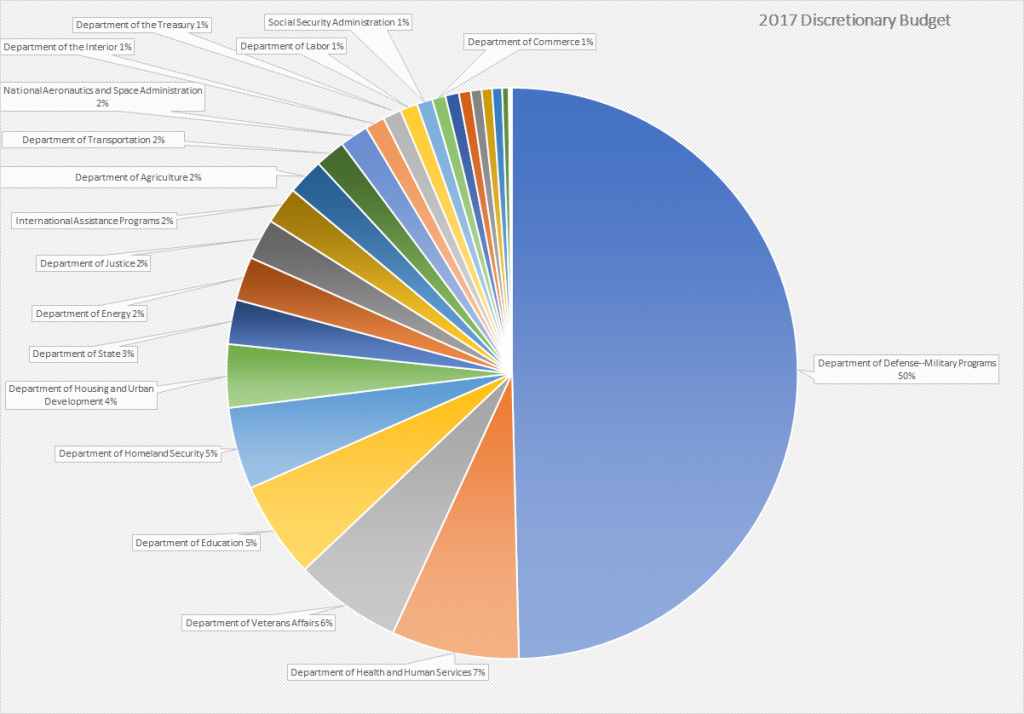
Updated Federal Budget Distribution – 2017
Here’s the latest pie charts of how the federal government spends its money. Again, there’s discretionary spending — spending from appropriation bills and the full budget which includes spending for things like Social Security, Medicare, and Medicaid which vary depending on the number of recipients and how much each recipient is being paid. This doesn’t mean the non-discretionary components couldn’t be changed — there’s been discussion of means testing Social Security payments and Medicare eligibility — but these changes are generally considered politically untenable (would you vote for the guy who just reduced your SS cheque because you happened to have a pension or money saved in a retirement account?).
Here’s the full budget breakout, updated for 2017
And the discretionary budget:
Apple FaceID
The irony of facial recognition — the idea is that you trade some degree of privacy for enhanced security. There are 10k four digit codes – a 1:10000 chance of any specific code unlocking your device. Apple touted a one in a million chance of facial recognition unlocking your phone.
So you trade your privacy for this one in a million super secure lock. Aaaaand a Vietnamese security firm can hack the phone with a mask. Not even a *good* mask (like I take a couple of your pictures, available online, synthesize them into a 3d image and print a realistic mask).
This feat wasn’t accomplished with millions of dollars of hardware. It took them a week and 150$ (plus equipment, but a 3d printer isn’t as expensive as you’d think).
Boyd v. United States or Riley v. California provide fourth amendment protection for phone content … but that only means the police need a warrant. Fourth amendment, check. Fifth amendment … Commonwealth of Virginia v. Baust or United States v. Kirschner says that you while cannot be compelled to reveal a passcode to allow police to access your phone (testimonial) … a fingerprint is not testimonial, it is documentary. And can be compelled. As with a lot of security, one can ask why I care. If I’m not doing anything wrong then who cares if the police peruse my phone. But if I’m not protesting, why do I care if peaceful assembly is being restricted. I’m not publishing the Paradise Papers, so why do I care if freedom of the press is being restricted? Like Martin Niemöller and the Nazis – by the time they get around to harming you, there’s no one left to care.
Pumpkin Pie Poncho
I bought Candy Castle Pattern’s Pumpkin Pie Poncho pattern when it was first released. I finally made one today. It is a quick project. The pattern piece get cut up and isn’t really reusable. Saves paper if you are just making one, but requires extra printing or tracing if you are making multiples of the same size.
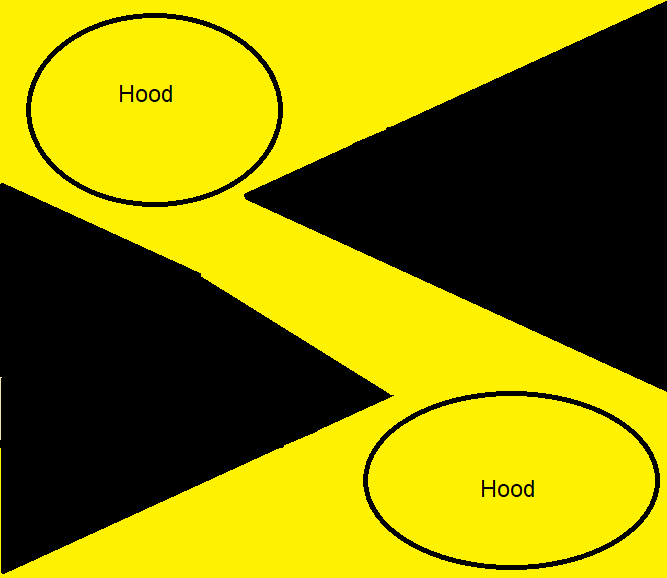
The pattern says it needs 1.25 yards of a 60″ wide lining fabric for a size 6. Problem is – I only had one yard of the flannel lining, and it was 42″. Looking at the pattern piece for the main body is not a rectangle – one side is a lot narrower than the other. Instead of folding the fabric in half and cutting two pieces along the folded line, I folded the fabric just enough the poncho body fit on the part with two layers. Cut one piece along the fold
Then unfold the fabric fold the *other* side down — there will be parts where there is only one layer of fabric – where the first piece was cut. Align the pattern piece so the widest section is away from the cut section. The narrow section of the pattern fits on the fabric with two layers. Cut the second poncho piece.
Unfold the fabric – there is a odd shaped bit adjacent to each poncho cutout – these can be used to cut the hood piece (or cowl). Voila – poncho lining from one yard of 42″ wide flannel.
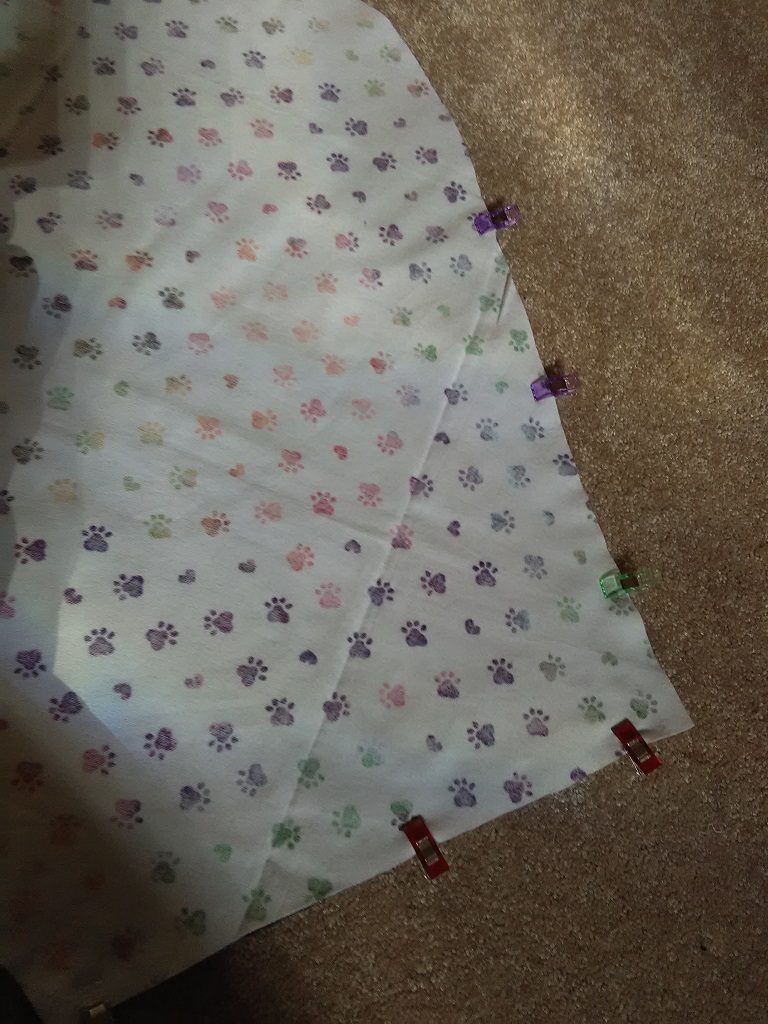
When I started fitting the pieces together, I realized this could be done as a reversible poncho. Doing so required modifying the process a bit — the main piece fabric and lining were still aligned right sides together.
I used clips instead of pins, so Anya was able to ‘test’ the poncho as it was being constructed.
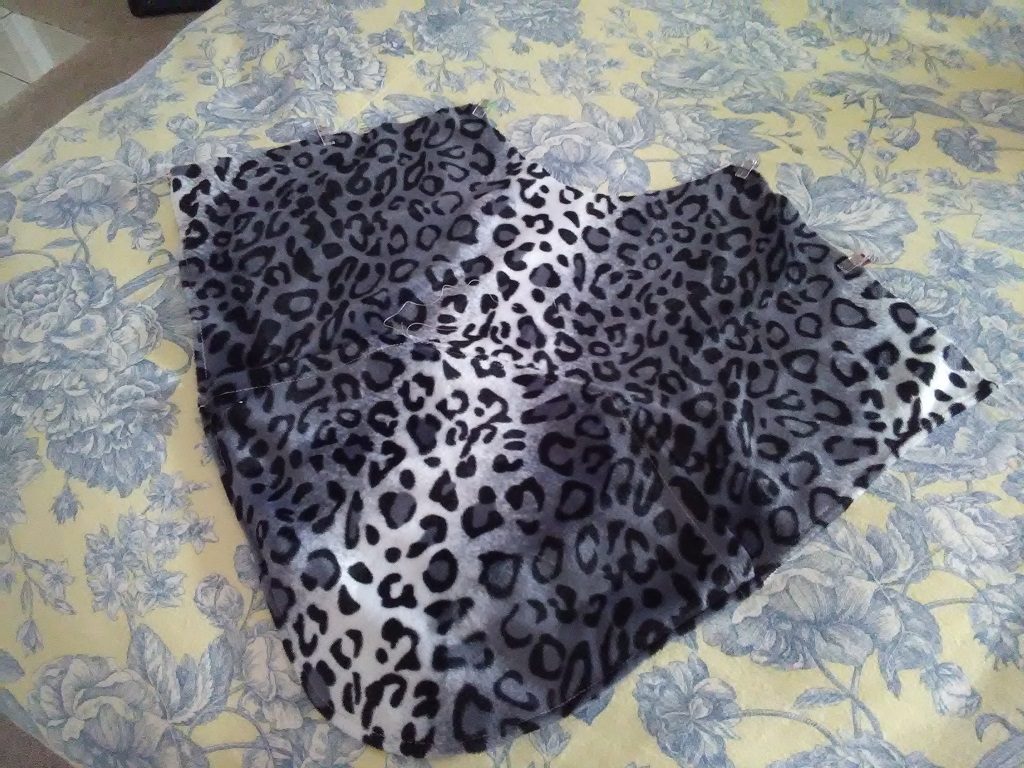
Serged along the bottom curve, turned right way about, and top stitched. The pocket fabric was still sandwiched between to attach it.
The top stitching runs right along the serged part, so it’s a little bit stiff and puffed up.
Then the fabric and lining along the arms were stitched separately – leaving the seams encased inside the ponch. The two pieces of each hood were serged together. The two hoods were nested inside each other, right sides together, and serged along the front. Turned the hood right side out and top-stitched along the front. The two fabrics, at this point, are free along the neckline. The main fabric of the hood was lined up, right sides together, along the poncho neckline and serged just to the main fabric poncho body.
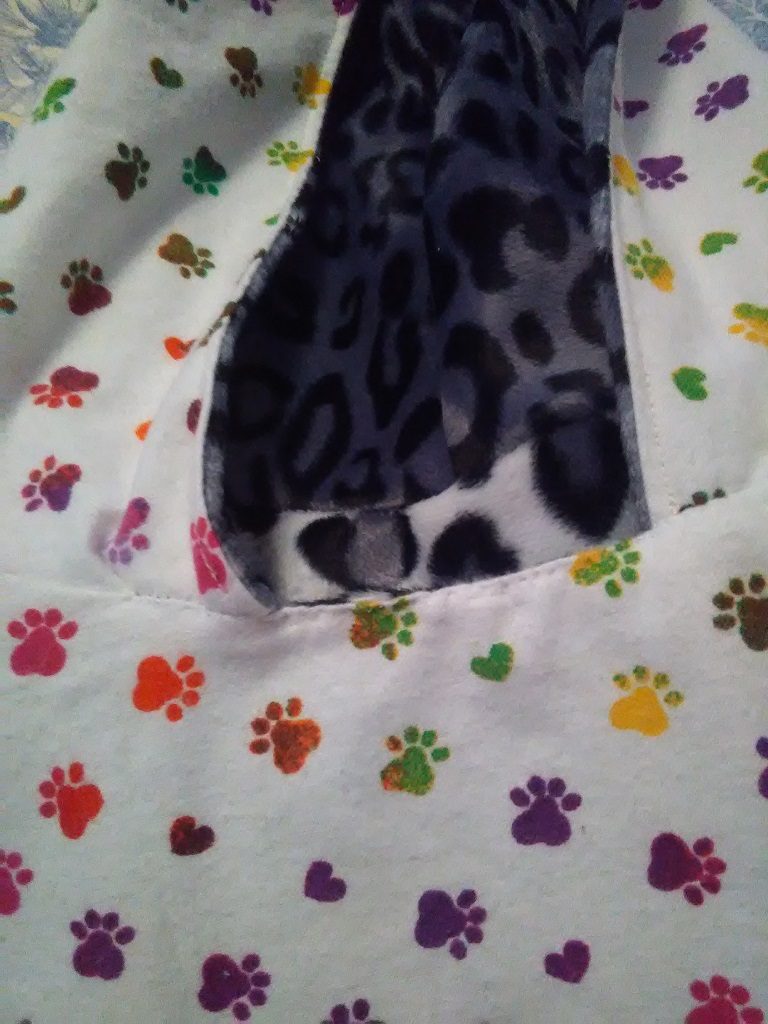
The lining fabric was the tricky bit. The same basic process – line the fabric up, right sides together, with the poncho body lining material and serge it together. *But* it cannot be completely stitched on the machine a the stitching reduces the hole through which you are sewing the material. I serge it for all but about 5″ – moving the still-opened hole along the seam being sewn. I then turned the remaining edges over and hand-stitched the remaining bit that is right along the front neckline. Anya doesn’t like hoods that wrap around her neck (although she’ll wear a scarf, go figure!), so I modified the hood to have a small gap along the front.
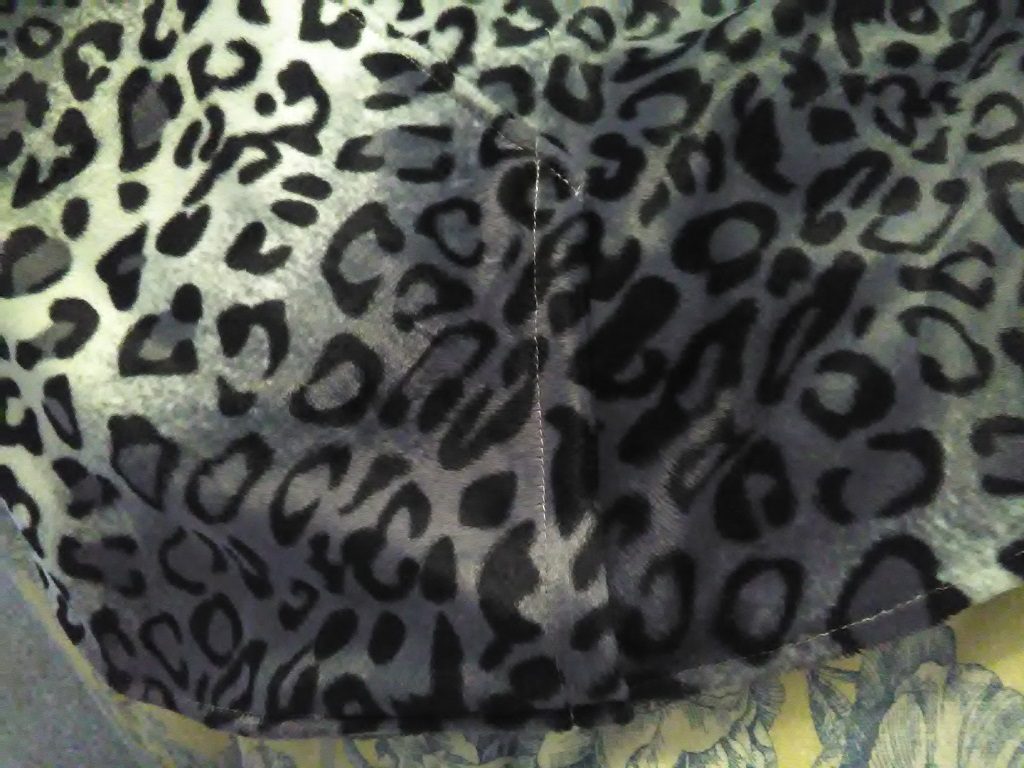
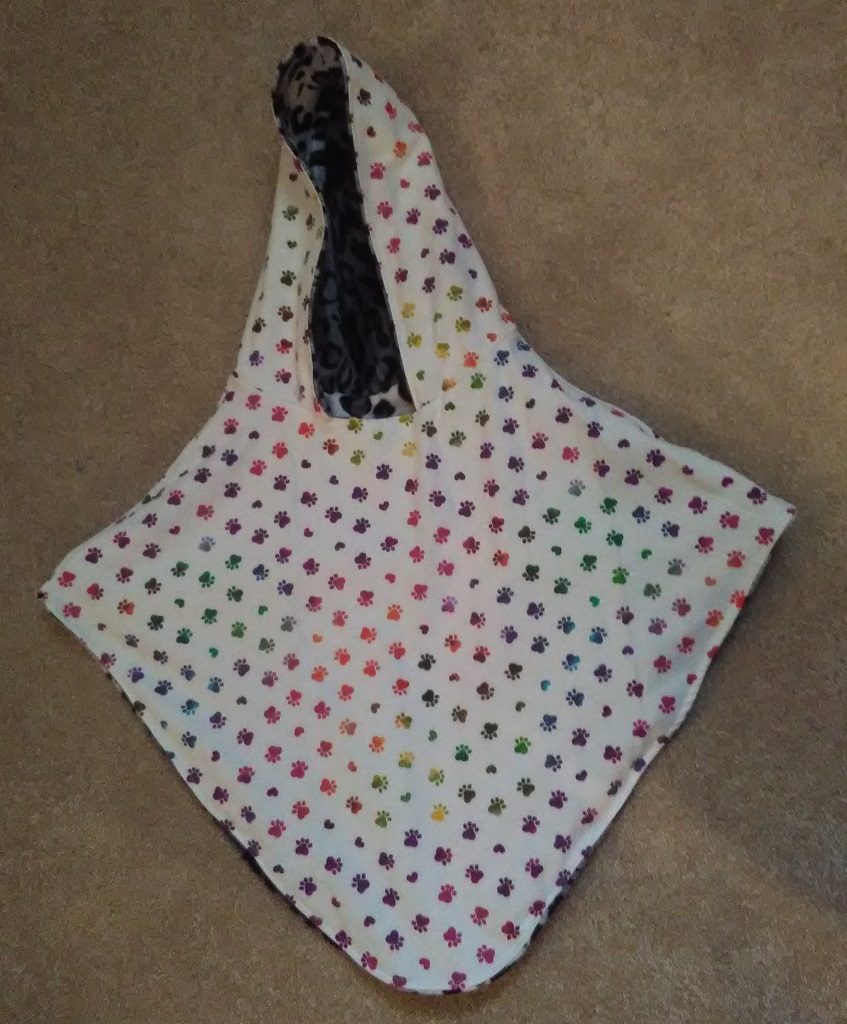
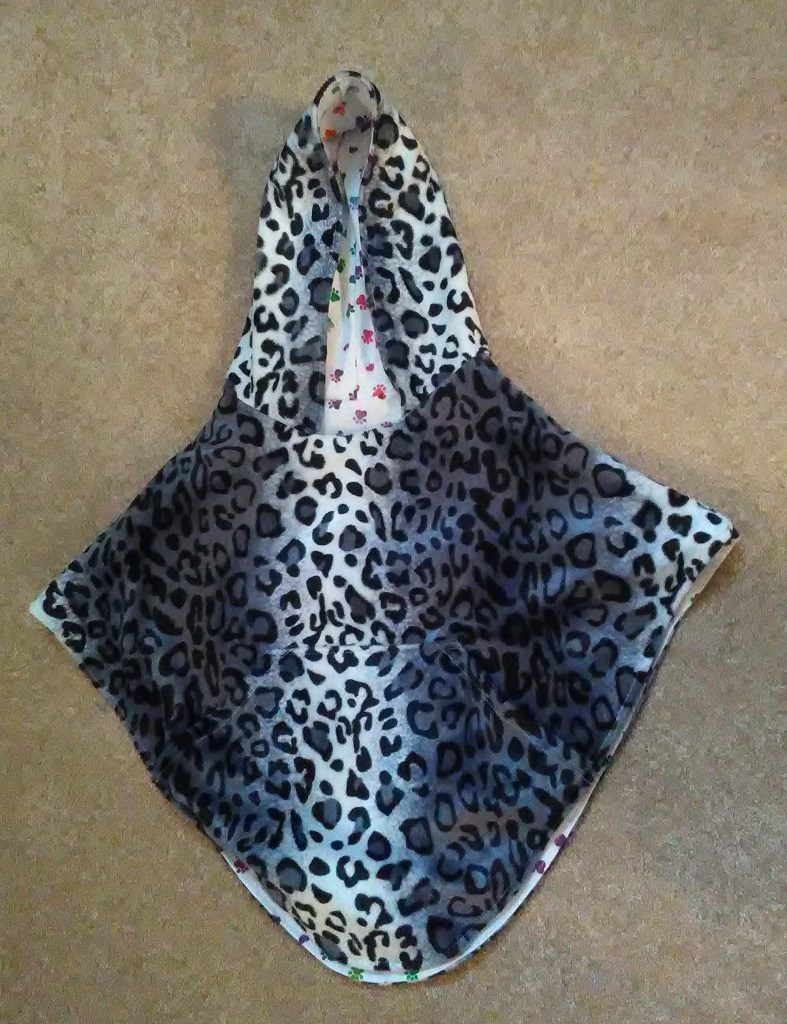
The process is a little more difficult, but we’ve got a pawprint poncho and a snow leopard one. There’s no pocket on the flannel side — mostly because I didn’t have enough fabric 🙂 But she keeps her arms on the inside and uses the snow leopard pocket.
Ray Moore
I assume the crux of the support for Moore’s alleged behaviour is consent. Doesn’t explain why anyone would need to trot out virgin births as an example of how OK underage sex is (uhh, *virgin* birth). Doesn’t speak to how non-consensual pussy groping is OK either.
Thing is – consent is a challenging with younger people. I remember *being* a 14-18 year old girl feeling urbane and sophisticated because some older guy was interested in me. Exactly as WaPo put it – “flattering at the time, but troubling as they got older”. Especially when I was older and saw other underage girls expressing the same pride in their relationship. However much some 30-something guy is willing to smile and nod while a young teen prattles on with her deep thoughts, intellectual stimulation was NOT what the guy is after … and it was dismaying to realize, in retrospect, the same logic applied to me.
The entire point of statutory rape is that people under whatever bright-line age of consent exists in the jurisdiction don’t have the wherewithal (i.e. experience with life) to provide consent. Modern society is moving that way — NY enacted resolutions over the summer that move the legal marriage age up to match the consent age: 17 (before that legislation, having the court/parents sign off on a marriage was an end-run around statutory laws). Someone who wants to argue that Moore’s actions were acceptable *because* the kids were OK with it … would they be willing to put forth legislation eliminating both balancing tests and bright-line ages??
OpenHAB Cloud Installation Prerequisites
We started setting up the OpenHAB cloud server locally, and the instructions we had found omitted a few important steps. They say ‘install redis’ and ‘install mongodb’ without providing any sort of post-install configuration.
Redis
# This is optional – if you don’t set a password, you’ll just get a warning on launch that a password was supplied but none is required. While the service is, by default, bound to localhost … I still put a password on everything just to be safe
vi /etc/redis.conf # Your path may vary, this is Fedora. I've seen /etc/redis/redis.conf too
# Find the requirepass line and make one with your password
480 # requirepass foobared requirepass Y0|_|RP@s5w0rdG03s|-|3re
# Restart redis
service redis restart
Mongo:
# Install mongo (dnf install mongo mongo-server)
# start mongodb
service mongod start
# launch mongo client
mongo
# Create user in admin database
db.createUser({user: "yourDBUser", pwd: "yourDBUserPassword", roles: [{role: userAdminAnyDatabase", db: "admin"}]});
exit
# Modify mongodb server config to use security
vi /etc/mongod.conf
# remove remarkes before ‘security: ‘ and ‘authorization’ – set authorization to enabled:
99 # secutiry Options - Authorization and other security settings 100 security: 101 # Private key for cluster authentication 102 #keyFile: <string> 103 104 # Run with/without security (enabled|disabled, disabled by default) 105 authorization: enabled
# restart mongo
service mongod restart
#Launch mongo client supplying username and connecting to the admin database
mongo -uyourDBUser -p admin
# it will connect and prompt for password – you can use db.getUser to verify the account (but you just logged into it, so that’s a bit redundant)
MongoDB shell version: 3.2.12
Enter password:
connecting to: admin
> > db.getUser("yourDBUser");
{
"_id" : "admin.yourDBUser",
"user" : "yourDBUser",
"db" : "admin",
"roles" : [
{
"role" : "userAdminAnyDatabase",
"db" : "admin"
}
]
}
# Create the openhab database — mongo is a bit odd in that “use dbname” will switch context to that database if it exists *and* create the databse if it doesn’t exist. Bad for typo-prone types!
use yourDBName;
# Create the user in the openhab database
db.createUser({user: "yourDBUser", pwd: "yourDBUserPassword", roles: [{role: readWrite", db: "yourDBName"}]});
# You can use get user to verify it works
db.getUser("yourDBUser");
exit
# Now you can launch the mongo client connecting to the openhab database:
mongo -uyourDBUser -p yourDBName
# It will prompt for password and connect. At this point, you can use “node app.js” to launch the openhab cloud connector. Provided yourDBUser, yourDBUserPassword, and yourDBName match what you’ve used in the config file … it’ll connect and create a bunch of stuff
Strange spam
We have been getting spam messages with the subject “top level quality of paint bucket” both at home and at work. I get that it costs essentially nothing to send a million junk e-mail messages, so it doesn’t take a lot of sales for a campaign to be profitable. But are there seriously people who buy their paint buckets from cold e-mails? Especially e-mails that I thought were trying to sell me buckets of paint.
And how lazy is a spam campaign that uses static strings in the subject field?
The Politics Of Anger
Michael Kruse interviewed people out in Johnstown PA who had voted from Trump last year to see what they think of his performance thus far. Objectively, someone who campaigned on Muslim bans, enormous walls along the Mexican border, bringing back the steel mills, and bringing back coal mining … well, just another politician promising the world and delivering nothing. But these people still love Trump. And would vote for him again. Why?
It seems like voters want someone to be angry along with them. There is no easy solution, there is no painless solution … but no one wants to hear the truth. Or hear hard answers. But someone who obviously lies to them but conveys a story of their own victimization … that’s where they’re voting.
Coconut Almond Chocolate Bars
I made a homemade dessert inspired by Almond Joy bars. It’s got three layers – coconut, sliced almonds, and either chocolate or carob.
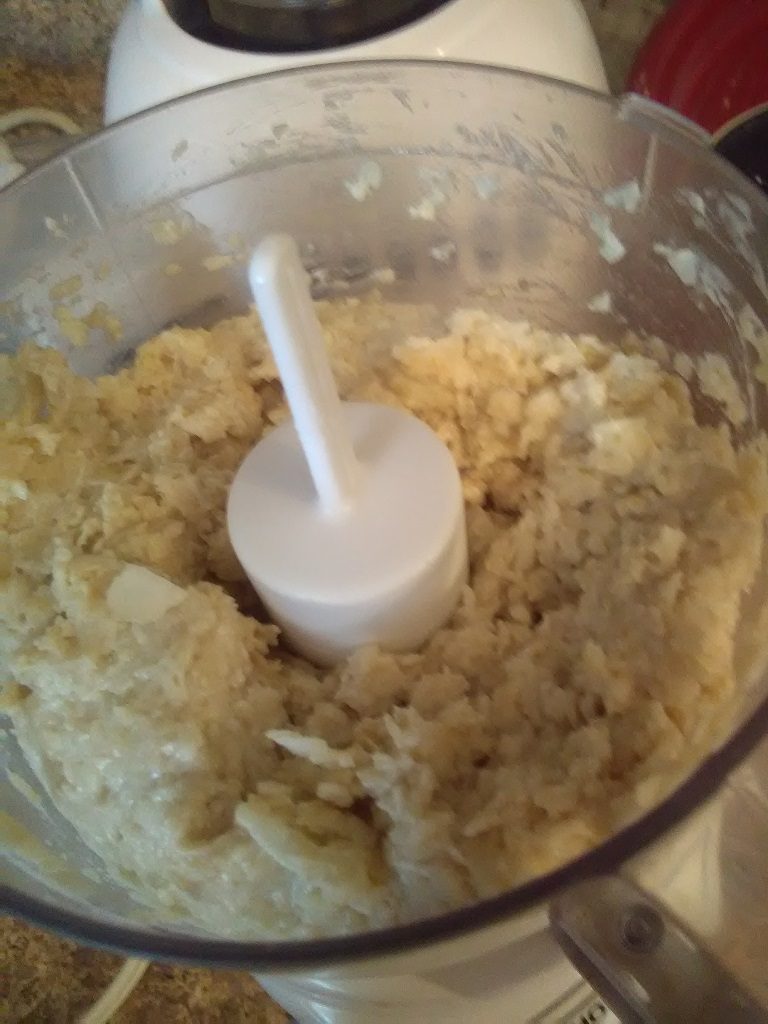
For the coconut layer, combine the following in a food processor and pulse until you’ve got a somewhat creamy well blended mix.
3 cups unsweetened coconut flakes
1/4 cup coconut oil
1/2 cup coconut cream
1/4 cup maple syrup
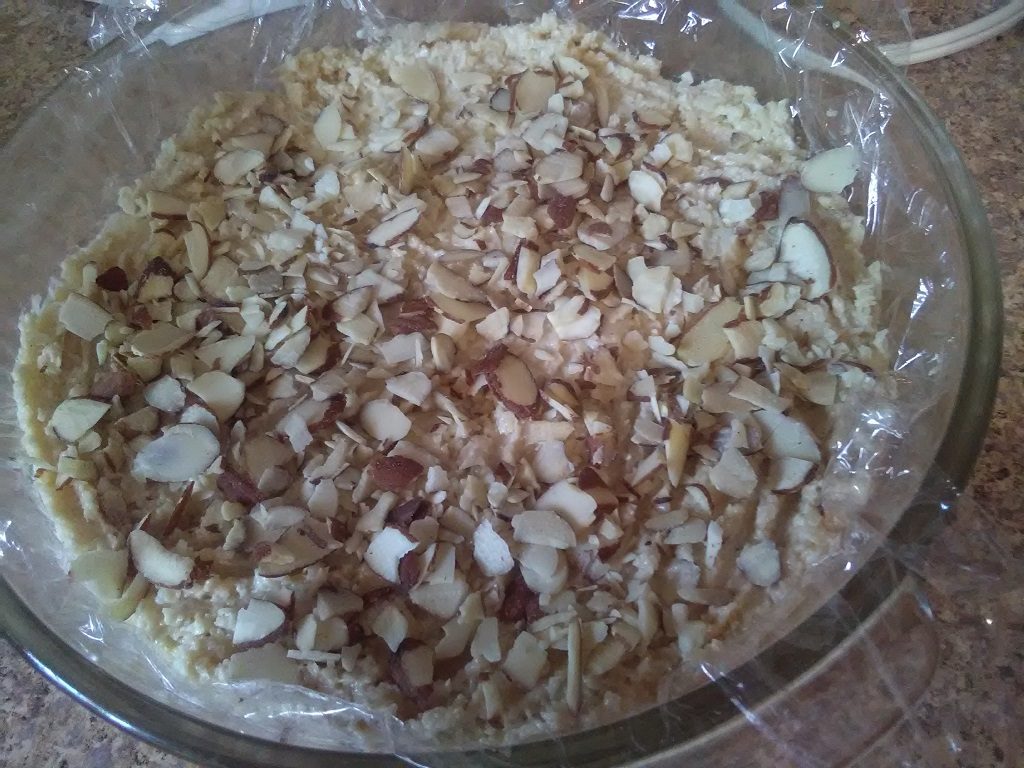
Line a pie pan with clingfilm and press coconut mixture into pan. Top with sliced almonds.
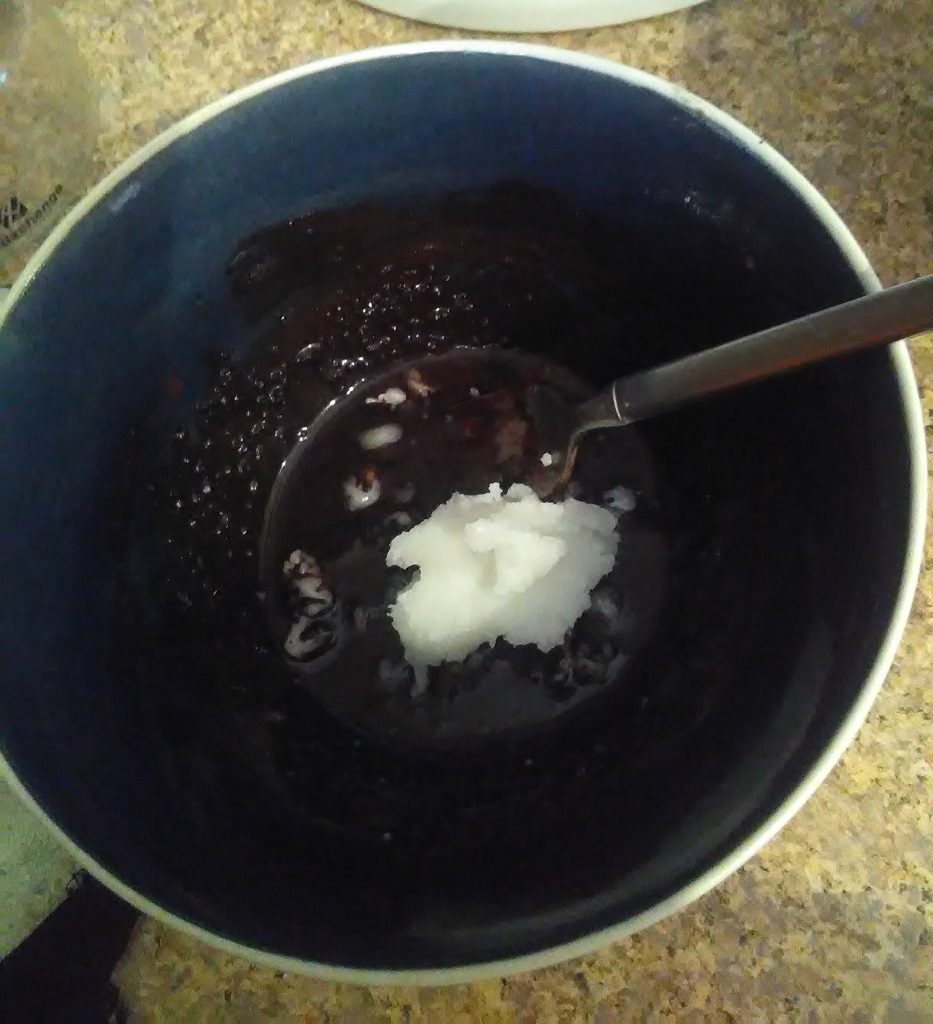
I then made both carob and chocolate sauce to spread on top. Melt 1/4 cup of coconut oil. Add 2 tablespoons of maple syrup. Then stir in either cocoa powder or carob powder until the mixture has the consistency of melted chocolate.
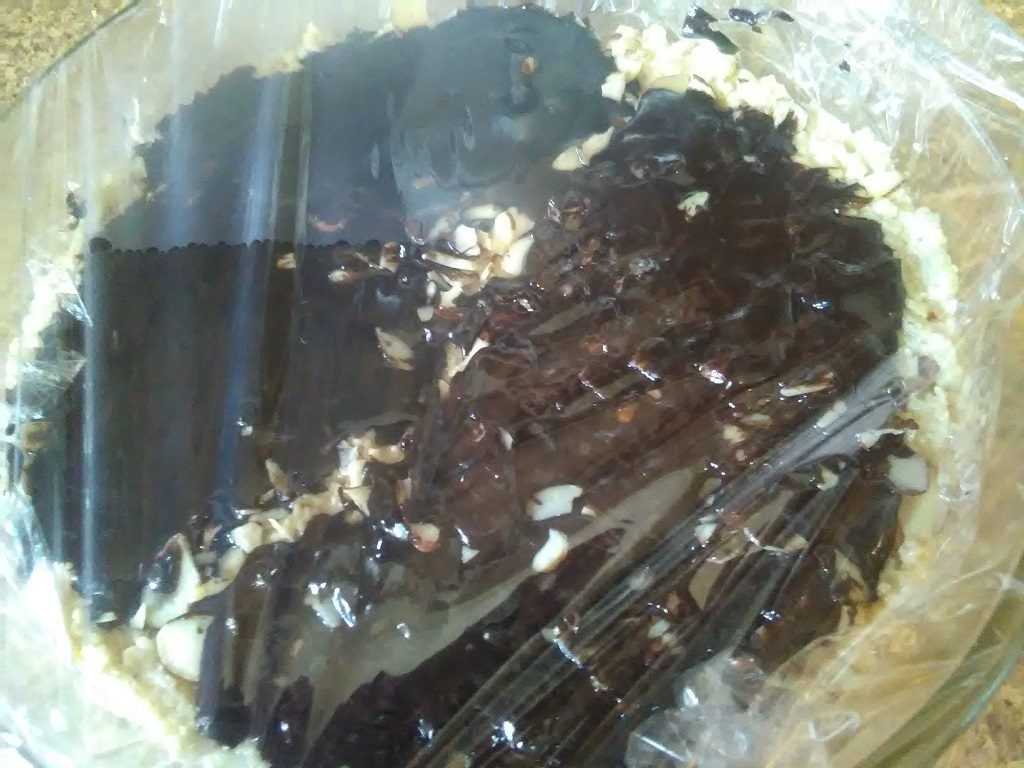
Spread chocolate or carob (I made it with half chocolate and half carob). Refrigerate for an hour so the chocolate sets.