Category: Homesteading

Tiny Turkey Army, Take Two

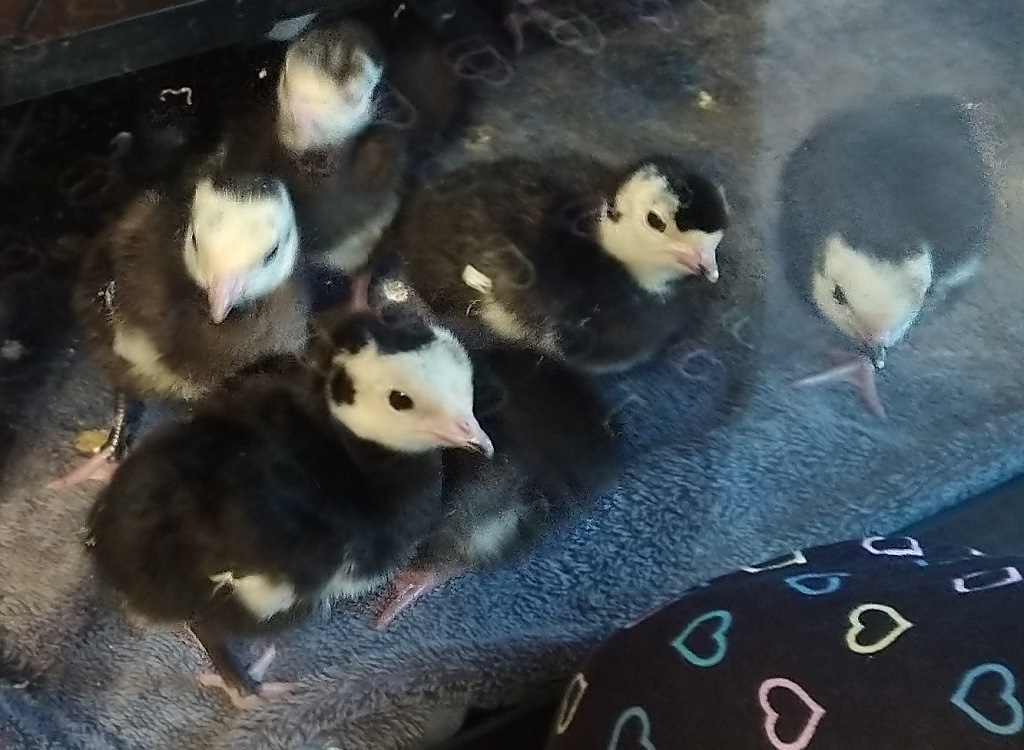
The new turkeys arrived today — last year, USPS shipping was a horrible experience. This year, I called a few hatcheries to confirm they’ve been able to delivery healthy, happy poults. Meyers said they hadn’t had delivery problems, so we ordered 20 Black Spanish turkeys from them. They shipped yesterday, the shipping notice was delivered overnight, and the USPS clerk called at 6:30 this morning to let me know they arrived. Wow, was that early!

We got all the little ones into their brooder, fed, and watered (having more healthy birds seems to help because one little guy eats or drinks and a whole flock of little ones come over and copy it).
Farm Automation

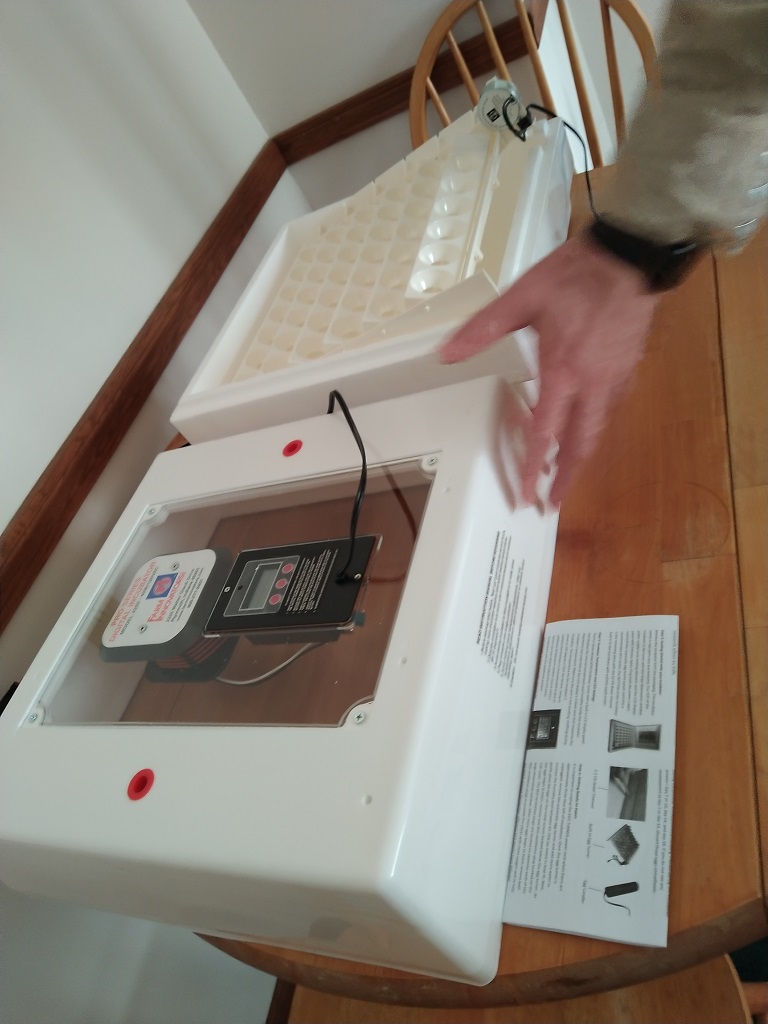
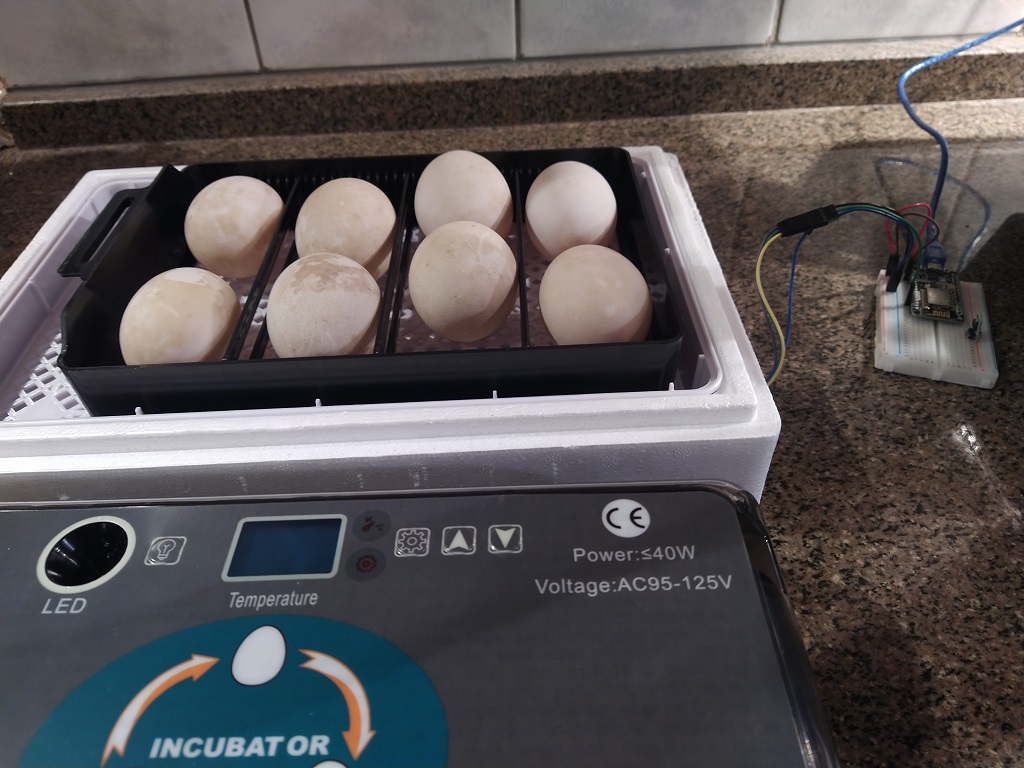
Scott set up one of the ESP32’s that we use as environmental sensors to monitor the incubator. There’s an audible alarm if it gets too warm or cold, but that’s only useful if you’re pretty close to the unit. We had gotten a cheap rectangular incubator from Amazon — it’s got some quirks. The display says C, but if we’ve got eggs in a box that’s 100C? They’d be cooked. The number is F, but the letter “C” follows it … there’s supposed to be a calibration menu option, but there isn’t. Worse, though — the temperature sensor is off by a few degrees. If calibration was an option, that wouldn’t be a big deal … but the only way we’re able to get the device over 97F is by taping the temperature probe up to the top of the unit.

So we’ve got an DHT11 sensor inside of the incubator and the ESP32 sends temperature and humidity readings over MQTT to OpenHAB. There are text and audio alerts if the temperature or humidity aren’t in the “good” window. This means you can be out in the yard or away from home and still know if there’s a problem (since data is stored in a database table, we can even chart out the temperature or humidity across the entire incubation period).

We also bought a larger incubator for the chicken eggs — and there’s a new ESP32 and sensor in the larger incubator.

Incubators

We tried a cheap forced-air incubator from Amazon.

All of these little rectangular boxes seem to have the same design flaw: the fan and heater are in one corner of the incubator, and the hot air blows out of one side of the box. So there are really hot spots in the incubator and relatively cold spots.

Since we had a bad hatch rate (1 of 8) with the thing, we decided to get a bigger, better incubator. After researching a lot of options, we got the Farm Innovators 4250 — lots of space for eggs, a centrally located heater and fan that blow air all around, and a humidity sensor (looks to be the same DHT-11 that we use in our sensor). We’ll collect eggs and get a large batch going in a few weeks.

Crocus Time

Crocus flowers are starting to sprout up around the yard — years ago, Anya and I planted crocus bulbs randomly throughout the front yard. Some have split into three or four plants already, and some are still single little flowers. We’ve even got some sprouting up elsewhere — maybe they’re spreading seeds too?

Reverse Osmosis Maple Sap Stats

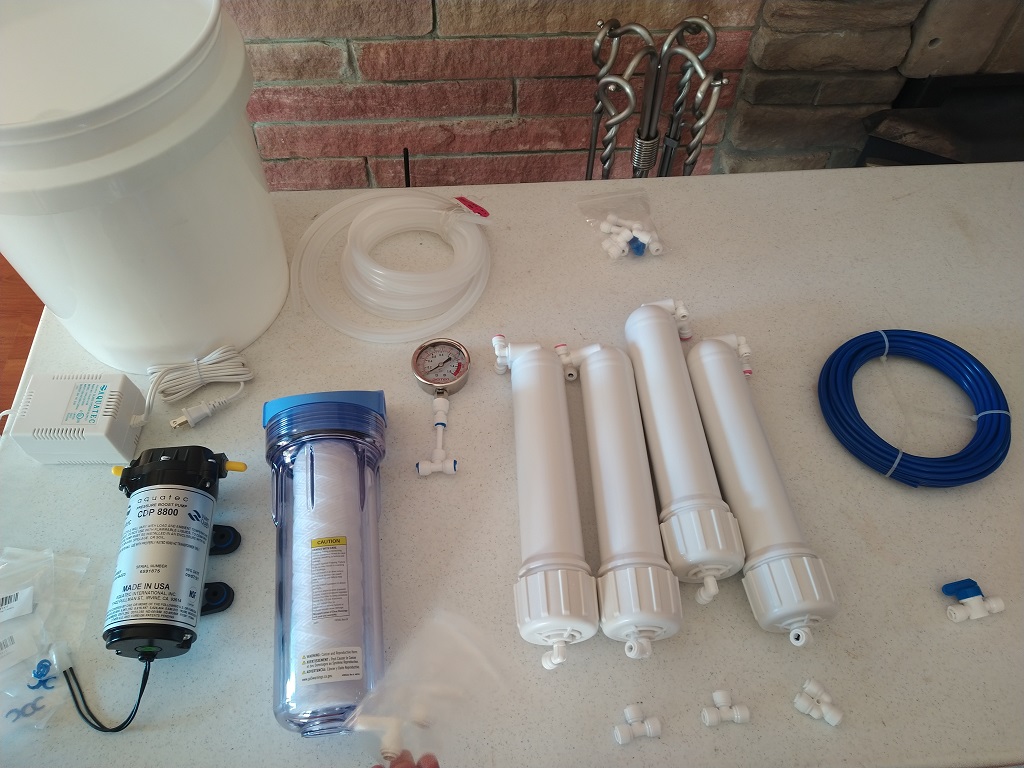
We collected nine gallons of sap with SG of 1.009 = 2.3 Brix

We ran all of the sap through the reverse osmosis system at 60psi and had sap with SG 1.011 = 2.8 Brix

We ran the concentrated sap through the reverse osmosis system a second time, this time at 80psi and had sap with SG 1.022 = 5.6 Brix.

The “pure water” output SG was about 1.003 — we re-ran this through the RO as well.

At the end of the day, we have about 4 gallons of sap at 5.6% sugar, another gallon from the “pure water” run that’s a lower SG, and four gallons of water that’s removed.

Notes for the future:

  • We want to see what a single pass at higher pressure does — is it multiple passes that farther concentrated the sap or the higher pressure?
  • We took SG readings and converted to brix using an online converter. Next time, we should just take the readings in Brix 🙂
  • We might need a different refractometer to get accurate readings near 1 … not sure how accurate our tool is at the low end of the range.

Incubating Eggs

We’re about to start incubating eight duck eggs, so I wanted to record the temperature and humidity settings that I’ve found for the chicken, duck, and turkey eggs (well, future turkey eggs! We managed to get five male turkeys last year)

DUCKS
Start End Temp Humidity
1 25 99.5 55-58%
26 28 98.5 65%
28 hatching 97 70-80%


CHICKENS
Start End Temp Humidity
1 18 99.5-100.5 45-55%
19 Hatching 99.5 65-70%


TURKEYS
Start End Temp Humidity
1 24 99-100 50-60%
25 Hatching 99 65-70%